

Essential Home Brewing Equipment for Brewing Beer at Home
Home brewing has become increasingly popular across the UK, with more people discovering the enjoyment of making their own beer. Whether brewing from a simple starter kit or creating advanced all grain recipes from scratch, having the right home brewing equipment is essential for producing good quality beer consistently.
The equipment needed for home brewing can vary depending on experience level and brewing method. Beginners can often start with a relatively simple setup, while more experienced brewers may invest in specialist brewing equipment to gain greater control over the brewing process.
This guide explains the essential home brewing equipment needed for brewing beer at home and highlights the differences between beginner and advanced setups.
Why Good Brewing Equipment Matters
Using suitable brewing equipment helps improve:
- Beer quality
- Brewing consistency
- Hygiene and sanitation
- Fermentation control
- Ease of brewing
While expensive equipment is not essential for getting started, reliable brewing gear can make the process simpler and more enjoyable.
Good cleaning and sanitising practices are also critical, regardless of the equipment being used.
Essential Home Brewing Equipment for Beginners
Many beginners start with beer kits, which require only basic brewing equipment. Starter kits are designed to simplify the process and help new brewers produce beer with minimal complexity.
Fermentation Bucket
A fermentation bucket or fermenter is one of the most important pieces of brewing equipment.
This food safe container holds the beer during fermentation while the yeast converts sugars into alcohol.
Most beginner fermenters include:
- A lid
- Tap or spigot
- Airlock hole
Fermentation buckets are usually made from plastic and are available in various sizes.
Airlock
An airlock allows carbon dioxide produced during fermentation to escape while preventing air and contaminants from entering the fermenter.
This helps protect the beer from spoilage during fermentation.
Brewing Spoon or Paddle
A long handled brewing spoon is used for stirring ingredients during brewing and mixing sugar before bottling.
Food safe plastic or stainless steel spoons are most commonly used.
Hydrometer
A hydrometer measures the density of the liquid before and after fermentation.
This helps brewers:
- Estimate alcohol content
- Monitor fermentation progress
- Check when fermentation has finished
Hydrometers are useful for both beginners and experienced brewers.
Thermometer
Temperature control is very important during brewing and fermentation.
A brewing thermometer helps monitor temperatures to ensure the yeast performs correctly and the beer develops properly.
Sanitiser
Sanitising equipment is one of the most important parts of home brewing.
Special brewing sanitisers help eliminate bacteria and wild yeast that could spoil the beer.
Many beginner brewing problems are caused by poor sanitation rather than the brewing process itself.
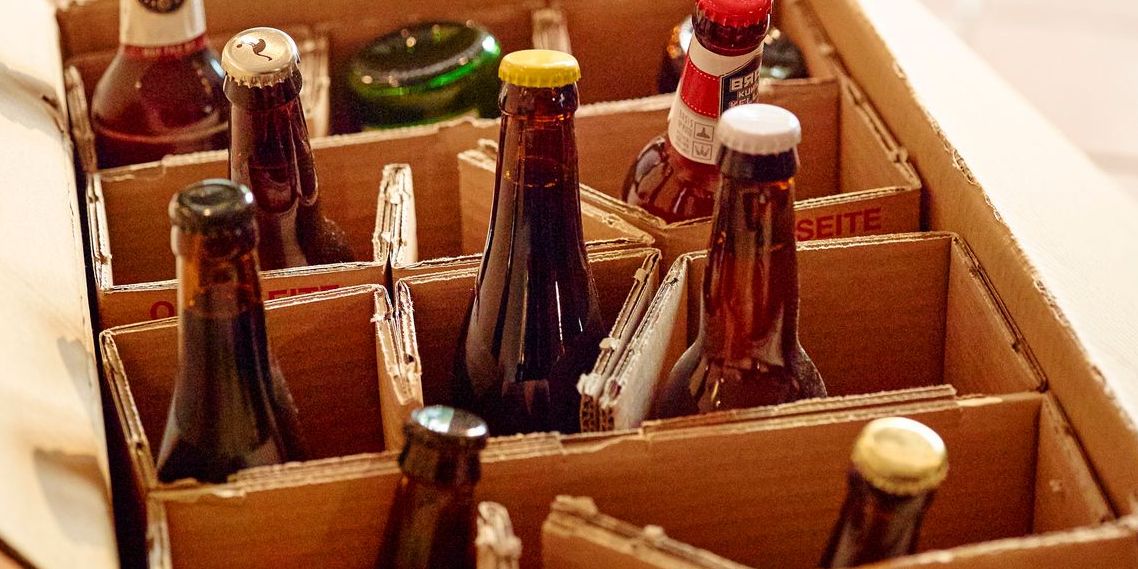
Bottles and Bottle Caps
Once fermentation is complete, the beer needs to be packaged.
Most beginners use glass or plastic beer bottles along with crown caps or swing top closures.
Bottling allows the beer to carbonate naturally before drinking.
Bottle Capper
A bottle capper is used to securely seal beer bottles with crown caps.
Handheld and bench cappers are both commonly available.
Additional Equipment for Intermediate and Experienced Brewers
As brewers gain experience, many choose to move beyond simple beer kits and invest in more advanced equipment.
This allows greater control over brewing, recipe design and beer quality.
Brew Kettle
Experienced brewers often use a large stainless steel brew kettle for boiling wort and adding hops.
Larger kettles are especially important for extract brewing and all grain brewing.
Mash Tun
A mash tun is used during all grain brewing to mix crushed grain with hot water and extract fermentable sugars.
Mash tuns are designed to maintain stable temperatures during the mash process.
Wort Chiller
A wort chiller rapidly cools hot wort after boiling.
Quick cooling helps:
- Improve beer clarity
- Reduce contamination risk
- Protect hop aromas
- Improve fermentation quality
Immersion chillers and plate chillers are commonly used by advanced home brewers.
Grain Mill
Many experienced brewers purchase their own grain mill to crush malted grain at home.
Freshly milled grain can improve brewing efficiency and recipe control.
Fermentation Temperature Control
More advanced brewers often use dedicated fermentation fridges or temperature controlled fermentation chambers.
Precise temperature control helps create cleaner and more consistent beer.
This is particularly important for brewing lagers and delicate beer styles.
Kegging Systems
Rather than bottling, some experienced brewers use keg systems for storing and serving beer.
Kegging offers several advantages:
- Easier serving
- Faster carbonation
- Reduced oxidation
- Better consistency
Cornelius kegs are particularly popular in home brewing.
CO2 Cylinders and Regulators
Keg systems require carbon dioxide cylinders and regulators to carbonate and dispense beer.
These systems provide more control over carbonation levels compared to bottle conditioning.
Final Thoughts
Having the right home brewing equipment can make brewing beer easier, more enjoyable and far more consistent. While it may seem tempting to buy lots of advanced brewing gear straight away, most beginners only need a small amount of essential equipment to get started successfully.
A good quality fermenter, sanitiser, bottles and basic brewing tools are often enough to begin producing enjoyable homemade beer. As confidence and experience grow, many brewers gradually expand their setup and explore more advanced brewing methods and equipment.
The most important things for any home brewer are cleanliness, patience and a willingness to learn. Even with simple equipment, it is entirely possible to produce excellent beer at home and gain a deeper appreciation for the brewing process.
Whether you are just starting your home brewing journey or looking to improve your setup, investing in reliable brewing equipment is one of the best ways to enjoy better results and make the brewing experience more rewarding.