

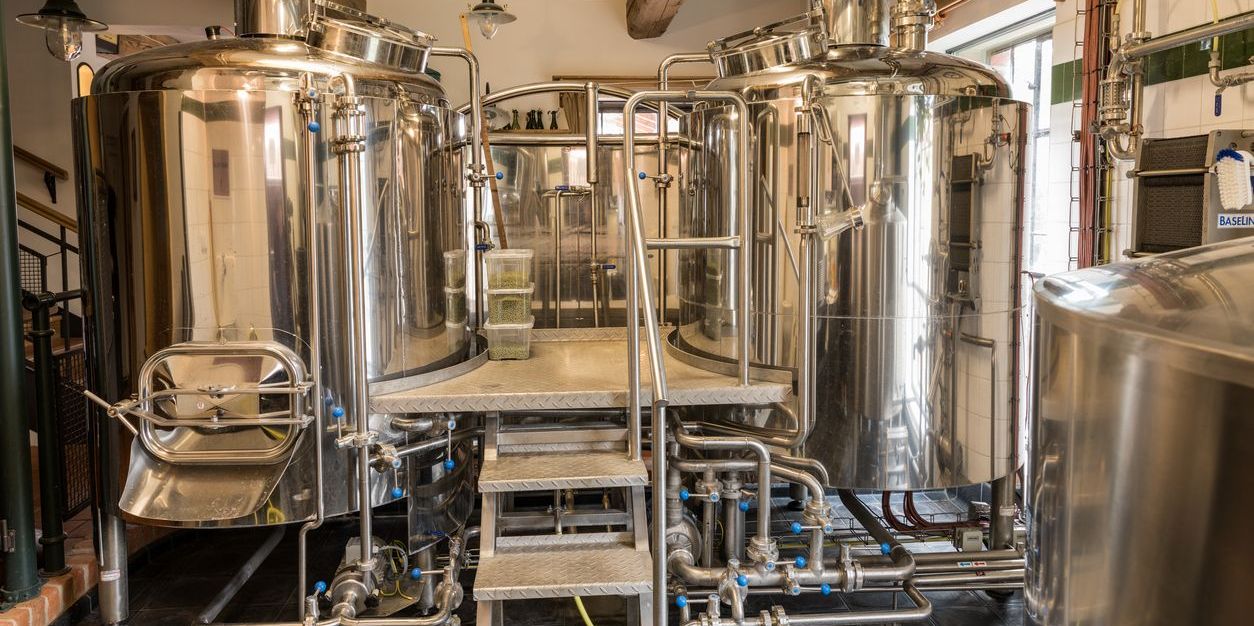
The Beer Brewing Process Explained
Beer brewing is a carefully managed process that combines science, tradition and creativity to turn simple ingredients into one of the world’s most popular drinks. While different breweries may use their own methods, recipes and equipment, most follow the same core brewing process to create consistent, high quality beer.
From large commercial breweries to small independent craft brewers, the goal is always the same: to produce beer with the right balance of flavour, aroma, appearance and alcohol content.
Although brewing can become highly technical, the overall process follows a series of key stages that transform grain, water, hops and yeast into finished beer.
Selecting the Ingredients
Every beer begins with a selection of ingredients that will shape the final flavour and character of the brew.
Most breweries use four main ingredients:
- Water
- Malted grain, usually barley
- Hops
- Yeast
The choice of ingredients has a major impact on the finished beer. Different malts affect colour and sweetness, hops influence bitterness and aroma, while yeast helps determine flavour and fermentation character.
Many breweries also experiment with additional ingredients such as fruit, spices, oats or coffee to create unique flavour profiles.
Preparing the Malt
Before brewing begins, the malted grain is crushed to help release fermentable sugars during the brewing process.
Breweries carefully control how finely the grain is milled. The goal is to break open the grain while keeping enough of the husk intact to assist with later stages of brewing.
The prepared grain is then ready to be mixed with hot water.
Creating the Wort
The crushed malt is combined with hot water in a process designed to extract sugars, flavour and colour from the grain.
This stage creates a sweet liquid known as wort, which forms the foundation of the beer.
Temperature control is extremely important during this stage, as it affects:
- Sweetness
- Body
- Mouthfeel
- Fermentability
Different beer styles require different balances of sugars and flavours, so breweries carefully adjust their brewing methods depending on the type of beer being produced.
Adding Hops
Once the wort has been prepared, it is heated and boiled. During this stage, hops are added to provide bitterness, flavour and aroma.
Breweries may add hops at several different points during brewing to achieve different results.
Some hops contribute bitterness to balance the sweetness of the malt, while others are used later in the process to create fresh aromas and flavour notes such as:
- Citrus
- Pine
- Floral notes
- Tropical fruit
- Spice
Hop selection has become especially important in modern craft brewing, particularly for styles such as IPA and pale ale.
Cooling and Fermentation
After boiling, the wort is cooled and transferred into fermentation vessels.
At this point, yeast is added. The yeast begins converting sugars into alcohol and carbon dioxide through fermentation.
This is one of the most important stages in brewing because it largely determines the beer’s final character.
Different breweries use different yeast strains and fermentation temperatures depending on the style of beer they are producing.
Ale Brewing
Ales are typically fermented at warmer temperatures using top fermenting yeast. This often creates richer and fruitier flavours.
Lager Brewing
Lagers are fermented at cooler temperatures using bottom fermenting yeast. This produces cleaner, crisper and smoother tasting beers.
Fermentation times vary depending on the beer style and brewery methods. Some beers may ferment in just a few days, while others require several weeks.
Filtration and Clarification
Some breweries filter or clarify their beer before packaging to remove excess yeast and sediment.
This creates a clearer appearance and can improve shelf stability.
However, many craft breweries now choose to leave beers unfiltered to retain extra flavour, texture and haze, particularly in modern styles such as hazy IPA.
Carbonation
Beer can be carbonated naturally or through added carbon dioxide.
Traditional cask ales develop natural carbonation during secondary fermentation, while many lagers and keg beers use controlled carbonation systems to create a consistent level of fizz and mouthfeel.
The level of carbonation can significantly affect how the beer tastes and feels when drinking it.
Packaging the Beer
Once the brewing process is complete, the beer is packaged ready for sale and distribution.
Beer may be packaged into:
- Bottles
- Cans
- Kegs
- Casks
Modern breweries invest heavily in packaging technology to maintain freshness, consistency and quality.
Packaging also helps protect the beer from oxygen and light, both of which can negatively affect flavour over time.
Quality Control in Modern Brewing
Most breweries now use extensive quality control processes throughout production.
Brewers regularly test for:
- Alcohol content
- Consistency
- Flavour balance
- Carbonation levels
- Hygiene and cleanliness
Large commercial breweries often use advanced laboratory testing, while smaller craft breweries rely on a combination of scientific checks and tasting panels.
Maintaining consistency is especially important for breweries producing beer on a large scale.
Traditional Brewing vs Modern Brewing
While the core brewing process has remained largely unchanged for centuries, modern technology has transformed brewing efficiency and consistency.
Traditional breweries may still use:
- Open fermentation vessels
- Cask conditioning
- Historic brewing methods
Meanwhile, modern breweries often use automated brewing systems, temperature controlled tanks and advanced quality monitoring equipment.
Despite these technological advances, brewing still relies heavily on skill, experience and recipe development.
Craft Brewing and Innovation
The rise of craft beer has encouraged breweries to experiment more with brewing techniques and ingredients.
Modern craft brewers often explore:
- New hop varieties
- Barrel ageing
- Wild fermentation
- Fruit additions
- Mixed yeast cultures
This creativity has helped expand the range of beer styles available across the UK and around the world.
Final Thoughts
The beer brewing process is a fascinating blend of science, craftsmanship and tradition. Although breweries may use different equipment, recipes and techniques, most follow the same core stages to transform simple ingredients into beer.
From selecting ingredients and fermentation through to maturation and packaging, every part of the brewing process influences the flavour, aroma and quality of the finished beer.
Whether it is a traditional British ale, a crisp lager or a modern craft IPA, brewing remains a highly skilled process that continues to evolve while staying rooted in centuries of brewing heritage.