

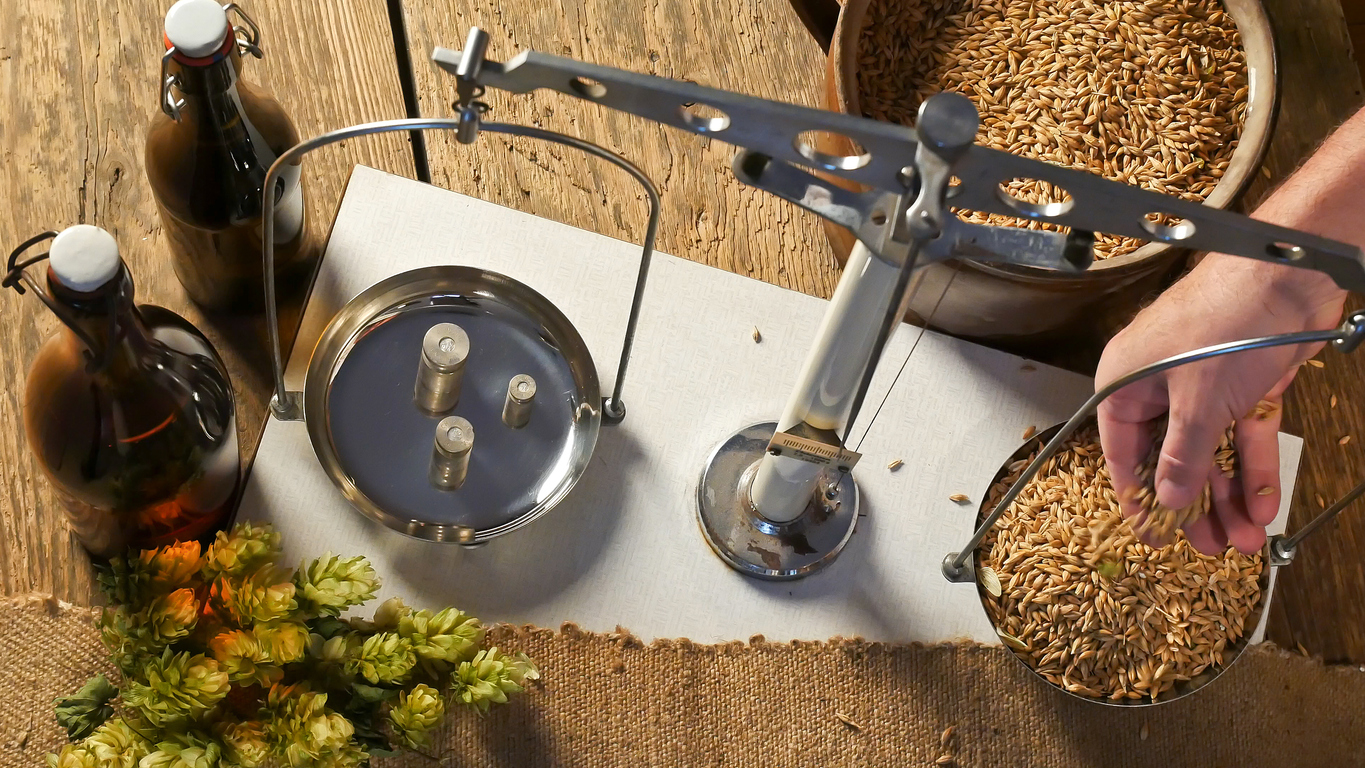
The Main Ingredients Used to Make Beer
Beer may come in thousands of different styles and flavours, but almost every beer begins with four main ingredients: water, grain, hops and yeast. These core ingredients work together during the brewing process to create everything from crisp lagers and pale ales to rich stouts and hazy IPAs.
While brewing can become highly technical, understanding the role each ingredient plays makes it much easier to appreciate why beers taste so different from one another.
Modern brewers also experiment with additional ingredients to create unique flavour profiles, seasonal beers and innovative craft brews.
Water
Water is the single largest ingredient in beer, often making up more than 90% of the final product. Although it may seem simple, water has a major influence on the taste, mouthfeel and character of beer.
The natural minerals found in water can affect:
- Bitterness
- Sweetness
- Body
- Fermentation
- Overall flavour balance
Different regions became famous for particular beer styles because of their local water supply.
For example:
- The soft water of Pilsen helped create pale and crisp lagers
- The mineral rich water of Burton upon Trent became ideal for brewing pale ales and bitters
Many modern breweries now adjust their water chemistry to suit different beer styles.
Grain and Malt
Grain provides the sugars needed for fermentation and contributes much of the beer’s flavour, colour and body.
Malted Barley
Barley is the most commonly used grain in brewing. Before it can be used, it goes through a process called malting.
During malting, the barley is soaked, allowed to germinate and then dried in a kiln. This process activates enzymes that help convert starch into fermentable sugars during brewing.
Different roasting levels create different types of malt:
- Pale malt creates lighter beers
- Dark roasted malt creates richer flavours and darker colours
Malt can contribute flavours such as:
- Biscuit
- Caramel
- Toffee
- Chocolate
- Coffee
- Nutty notes
Other Grains Used in Beer
Although barley is the most common brewing grain, others are also widely used, including:
Wheat
Wheat creates a softer texture and cloudy appearance. It is commonly used in wheat beers and hazy styles.
Oats
Oats add smoothness and a creamy mouthfeel, especially in modern stouts and hazy IPAs.
Rye
Rye can add a spicy and slightly dry character to beer.
Different grain combinations help brewers create a huge range of beer styles and flavour profiles.
Hops
Hops are the flowers of the hop plant and are one of the defining ingredients in beer.
They are mainly used to add:
- Bitterness
- Aroma
- Flavour
- Natural preservation
Without hops, many beers would taste overly sweet due to the malt sugars.
Hop Flavours and Aromas
Different hop varieties create different flavour profiles, including:
- Citrus
- Pine
- Floral notes
- Tropical fruit
- Herbal flavours
- Spice
Some beers use hops subtly for balance, while others, such as IPAs, heavily showcase hop flavours and aromas.
When Hops Are Added
Brewers can add hops at different stages of brewing to achieve different results.
- Early additions create bitterness
- Later additions increase flavour and aroma
- Dry hopping after fermentation boosts aroma without adding much bitterness
Modern craft brewing has greatly expanded the use of hops, leading to increasingly bold and aromatic beer styles.
Yeast
Yeast is the ingredient responsible for fermentation. It converts sugars from the malt into alcohol and carbon dioxide.
Without yeast, beer would simply remain sweet grain liquid.
Ale Yeast vs Lager Yeast
There are two main types of brewing yeast:
Ale Yeast
Ale yeast ferments at warmer temperatures and often produces fruity and complex flavours.
It is used in beers such as:
Lager Yeast
Lager yeast ferments at cooler temperatures and produces cleaner, crisper flavours.
It is used in:
- Pilsners
- Helles lagers
- Premium lagers
Yeast and Flavour
Yeast contributes far more than just alcohol.
Different yeast strains can create flavours and aromas such as:
- Banana
- Clove
- Apple
- Spice
- Earthy notes
This is why yeast selection is extremely important in brewing.
Other Ingredients Used in Beer
While the four main ingredients form the foundation of beer, many brewers also use additional ingredients to create unique flavours, textures and styles.
Adjuncts
Adjuncts are ingredients used alongside the main grains to alter flavour, body or brewing characteristics.
Common brewing adjuncts include:
- Maize
- Rice
- Sugar
- Oats
- Wheat
Adjuncts can lighten the body of beer, increase alcohol content or create smoother textures.
Some traditional and craft beers rely heavily on adjuncts as part of their signature character.
Fruit Additions
Fruit is commonly used in modern brewing to add sweetness, tartness or aroma.
Popular fruit additions include:
- Raspberry
- Cherry
- Mango
- Orange
- Passion fruit
Fruit beers and sour beers often use real fruit during fermentation.
Herbs and Spices
Brewers sometimes use herbs and spices to create additional layers of flavour.
Examples include:
- Coriander
- Orange peel
- Cinnamon
- Juniper
- Vanilla
Belgian beers and seasonal winter ales often make use of spice additions.
Coffee, Chocolate and Other Flavourings
Modern craft breweries frequently experiment with ingredients such as:
- Coffee
- Cocoa
- Honey
- Maple syrup
- Coconut
- Chilli
These additions are especially popular in stouts, porters and speciality beers.
Final Thoughts
Although beer can seem incredibly varied, nearly every brew begins with the same four core ingredients: water, grain, hops and yeast. Each ingredient plays a vital role in shaping the flavour, aroma, colour and character of the finished beer.
Small changes in ingredients can completely transform the final result, which is why the world of beer offers such an enormous range of styles and tastes.
From traditional British ales to modern craft IPAs and rich stouts, understanding the ingredients used in beer helps build a greater appreciation for the brewing process and the creativity behind every pint.