

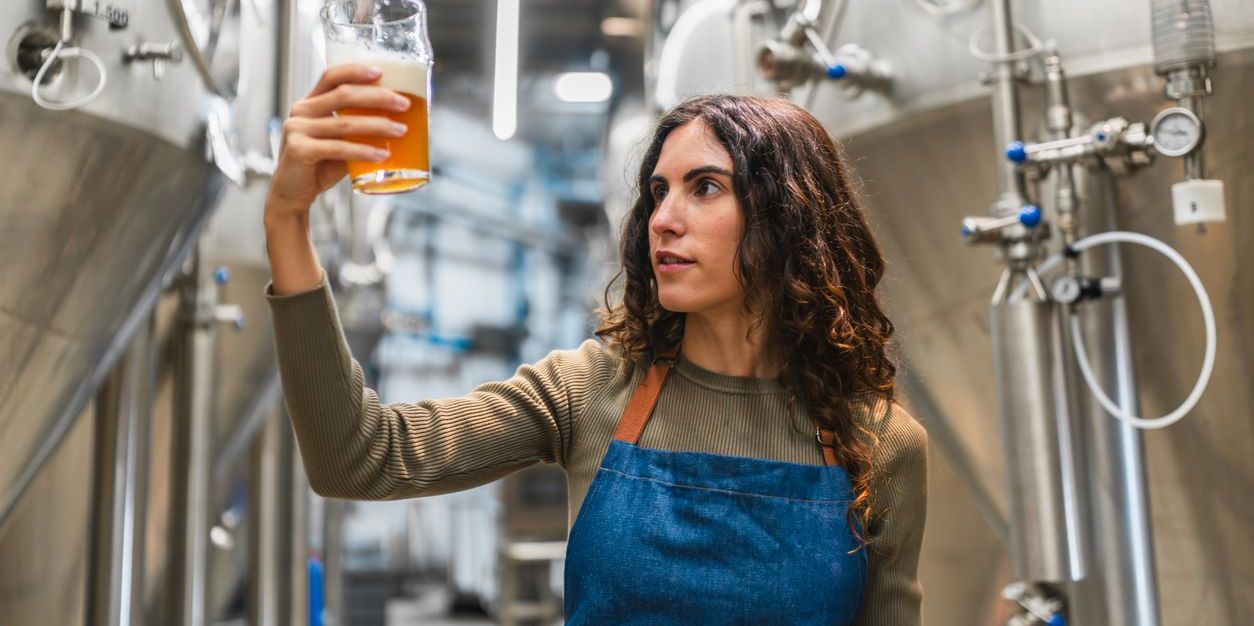
Brewing great-tasting no and low alcohol beer is both a science and an art. While these beers use many of the same ingredients as traditional beer, the brewing process is carefully adapted to reduce or remove the alcohol without losing the flavour, aroma and character that beer lovers enjoy.
For many years, alcohol-free beer had a reputation for lacking body and depth. However, advances in brewing technology have transformed the category, allowing breweries to produce beers that closely resemble their full-strength counterparts. Whether you're enjoying a crisp lager, a hoppy IPA or a smooth stout, modern brewing methods help ensure that flavour remains at the heart of every pint.
This guide explores how no and low alcohol beer is brewed, the techniques used by today's breweries and the innovations that continue to improve quality across the industry.
Brewing Beer Starts the Same Way
One of the biggest surprises for many people is that no and low alcohol beer usually begins life in exactly the same way as traditional beer.
The brewing process starts with four essential ingredients:
- Water
- Malted barley
- Hops
- Yeast
These ingredients are carefully combined to create a wort, which is then fermented by yeast to develop flavour, aroma and alcohol.
Traditional Brewing
Before looking at the specialist methods used for no and low alcohol beer, it's useful to understand how standard beer is brewed.
In a traditional brewery, malted grains are mashed with warm water to extract natural sugars. The sweet liquid, known as wort, is then boiled with hops to add bitterness, flavour and aroma.
Once cooled, yeast is added to begin fermentation. During this stage, the yeast converts sugars into alcohol and carbon dioxide, creating the beer we know and enjoy.
For no and low alcohol beers, brewers carefully modify this stage or introduce additional processes to reduce the final alcohol content.
The difference comes later in the brewing process, when brewers either control the amount of alcohol produced or remove it before the beer is packaged.
Controlled Fermentation
One of the simplest ways to produce low alcohol beer is to carefully manage the fermentation process.
By adjusting factors such as temperature, fermentation time and yeast activity, brewers can limit the amount of alcohol produced while still allowing many of the beer's natural flavours to develop.
This method works particularly well for certain beer styles and allows brewers to retain a good balance of malt character and hop aroma.
Special Yeast Strains
Modern breweries often use specially selected yeast strains that naturally produce very little alcohol during fermentation.
Unlike traditional brewing yeasts, these strains convert fewer sugars into alcohol while still creating many of the fruity esters and subtle flavours associated with quality beer.
This approach has become increasingly popular as brewing technology has advanced and new yeast varieties have become available.
Dealcoholisation
Many of today's premium no and low alcohol beers begin as full-strength beers before the alcohol is carefully removed.
This allows brewers to create the complete flavour profile first and then reduce the alcohol while preserving as much of the original character as possible.
Several techniques are commonly used.
Vacuum Distillation
Alcohol evaporates at a lower temperature than water.
By placing the beer under reduced pressure, brewers can remove the alcohol at much lower temperatures than would normally be required. This gentle process helps preserve delicate hop aromas and malt flavours that could otherwise be lost.
Reverse Osmosis
Reverse osmosis is a highly advanced filtration process that separates alcohol and water from the flavour compounds within the beer.
Once the alcohol has been removed, the remaining flavour components are carefully recombined with water to produce the finished beer.
This technique is widely regarded as one of the most effective methods for maintaining the beer's original taste and mouthfeel.
Arrested Fermentation
Another approach involves stopping fermentation before significant amounts of alcohol have developed.
By carefully controlling the brewing conditions, brewers can retain much of the beer's natural sweetness while keeping alcohol levels low.
Although this method is relatively straightforward, it requires considerable skill to ensure the finished beer remains balanced and enjoyable.
Preserving Flavour
One of the greatest challenges in brewing no and low alcohol beer is maintaining flavour after reducing or removing the alcohol.
Alcohol contributes to a beer's body, texture and overall mouthfeel, so brewers use a variety of techniques to compensate for its absence.
These may include:
- Selecting high-quality malts.
- Using carefully chosen hop varieties.
- Adjusting mash temperatures.
- Fine-tuning fermentation.
- Blending different brewing techniques.
- Using specialist yeast strains.
The result is a beer that retains much of the character expected from its traditional counterpart.
Innovation in Modern Brewing
The no and low alcohol beer market has become one of the most innovative areas of brewing.
Breweries continue to invest in:
- New brewing equipment.
- Improved filtration technology.
- Advanced dealcoholisation methods.
- Innovative yeast development.
- Research into flavour preservation.
These developments have played a major role in transforming public perception of alcohol-free beer, helping to produce beers that are increasingly difficult to distinguish from traditional versions.
Why Brewing Methods Matter
The brewing method used can have a significant influence on the finished beer.
Different techniques affect:
- Flavour
- Aroma
- Body
- Sweetness
- Bitterness
- Mouthfeel
This is one reason why two alcohol-free beers with the same alcohol content can taste completely different.
Every brewery develops its own recipes and brewing techniques, giving each beer its own unique character.
The Future of No & Low Alcohol Brewing
Brewing technology continues to evolve at an impressive pace.
As consumer demand grows, breweries are investing heavily in research and development to produce beers that offer even greater flavour, aroma and authenticity.
Future innovations are likely to focus on improving mouthfeel, preserving delicate hop aromas and creating beers that are almost indistinguishable from their full-strength equivalents.
For beer lovers, this means even greater choice and even higher-quality no and low alcohol beers in the years ahead.
Explore More No & Low Alcohol Beer Guides
If you'd like to continue learning about no and low alcohol beer, explore our related guides:
- Ultimate Guide to No & Low Alcohol Beer – A complete introduction to the category.
- Alcohol-Free Beer – Learn what defines alcohol-free beer and how it differs from other styles.
- Low Alcohol Beer – Discover how reduced alcohol beers are brewed and enjoyed.
- 0.0% Beer – Explore beers with no detectable alcohol.
- Best No & Low Alcohol Beer – Find some of the highest-rated beers available in the UK.
- No & Low Alcohol Beer Brands – Discover the breweries leading this rapidly growing market.
- Benefits – Explore why more people are choosing no and low alcohol beer.
- FAQs – Find answers to the most commonly asked questions.
Modern no and low alcohol beer is the result of decades of innovation, skilled brewing and continual refinement. By combining traditional brewing principles with cutting-edge technology, today's breweries are producing beers that offer all the enjoyment of great beer while giving drinkers more choice than ever before.