

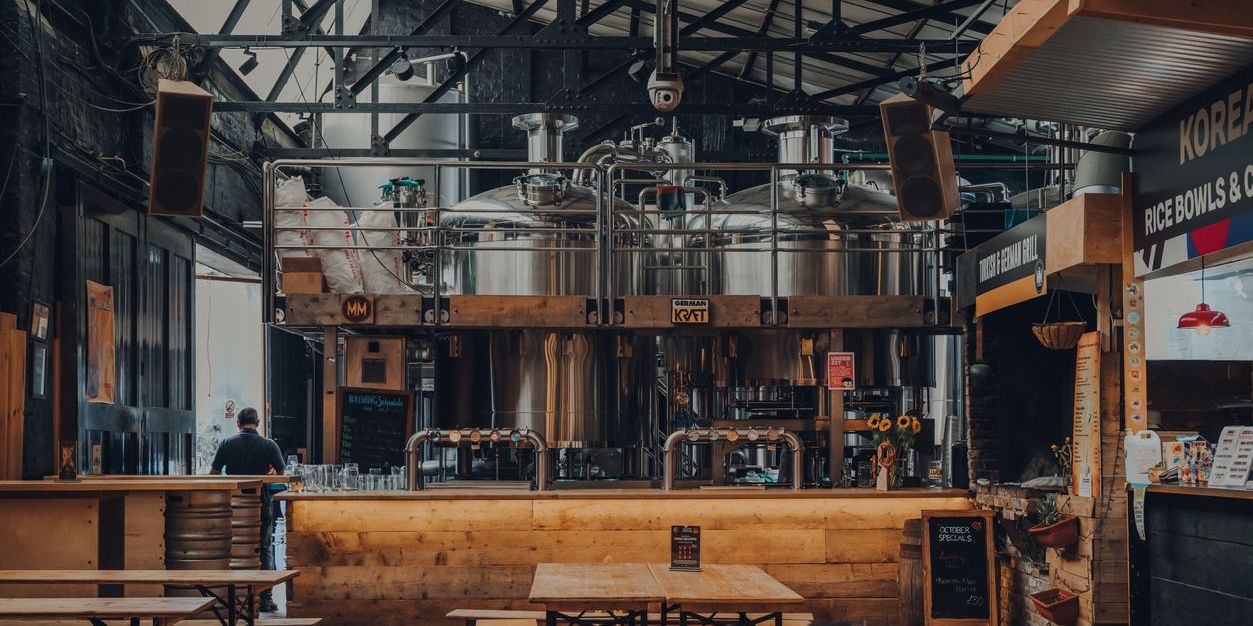
Beer is one of the world’s oldest and most popular alcoholic drinks, enjoyed in countless styles ranging from crisp lagers to rich stouts and hoppy IPAs. While different beers may taste completely different, the basic brewing process remains largely the same.
Understanding how beer is made helps explain why certain beers have unique flavours, aromas and appearances. From selecting ingredients to fermentation and conditioning, every stage of brewing plays an important role in the finished beer.
This guide explains how beer is made, step by step, using the traditional brewing process followed by breweries around the world.
The Four Main Ingredients in Beer
Most beers are made using four core ingredients:
Water
Water makes up the largest percentage of beer. The mineral content of water can affect the flavour and character of the final brew.
Some regions became famous for certain beer styles because of their natural water profile. For example, the soft water in Pilsen helped create crisp pale lagers, while harder water in Burton-upon-Trent became ideal for pale ales.
Malted Grain
Barley is the most commonly used grain in brewing, although wheat, oats and rye are also sometimes used.
The grain is first malted, which involves soaking and drying it to activate enzymes needed during brewing. Malt provides:
- Sugars for fermentation
- Colour
- Body
- Sweetness and flavour
Different roasting levels create different beer styles, from pale lagers to dark porters and stouts.
Hops
Hops are flowers that add bitterness, aroma and flavour to beer. They also help preserve the beer naturally.
Different hop varieties can create flavours such as:
- Citrus
- Pine
- Floral notes
- Tropical fruit
- Spice
Hop-forward styles such as IPA use large amounts of hops to create bold flavours and aromas.
Yeast
Yeast is the ingredient responsible for fermentation. It consumes sugars from the malt and converts them into alcohol and carbon dioxide.
Different yeast strains create different beer styles and flavour profiles.
Step 1: Malting
The brewing process begins with malting the grain.
Barley grains are soaked in water and allowed to begin germination. This activates natural enzymes inside the grain. The grains are then dried in a kiln to stop the germination process.
The temperature used during drying affects the colour and flavour of the malt:
- Lightly roasted malt creates pale beers
- Darker roasted malt creates rich, roasted flavours
The finished malt is then ready for brewing.
Step 2: Milling
Before brewing begins, the malted grain is crushed in a process called milling.
The grain is broken open to expose the starches inside while keeping the outer husk largely intact. This helps prepare the grain for extracting sugars during mashing.
Step 3: Mashing
The crushed grain is mixed with hot water inside a vessel known as a mash tun.
During mashing, the natural enzymes activated during malting break down starches into fermentable sugars. This creates a sweet liquid known as wort.
The temperature of the mash affects the body and sweetness of the final beer.
Mashing usually takes between one and two hours.
Step 4: Lautering
After mashing, the liquid wort is separated from the spent grain.
The grain husks act as a natural filter while the sugary liquid is drained away. Brewers often rinse the grains with additional hot water to extract as much sugar as possible.
The leftover grain is commonly reused as animal feed.
Step 5: Boiling
The wort is then transferred to a large kettle and boiled.
Boiling serves several important purposes:
- Sterilises the wort
- Stops enzyme activity
- Concentrates flavours
- Allows hops to be added
Hops are usually added at different stages during the boil to create bitterness, flavour and aroma.
The length of the boil can vary but commonly lasts around 60 to 90 minutes.
Step 6: Cooling the Wort
Once boiling is complete, the wort must be cooled quickly before yeast can be added.
Rapid cooling helps prevent contamination and prepares the liquid for fermentation.
At this stage, the liquid officially becomes beer once fermentation begins.
Step 7: Fermentation
Fermentation is where the magic really happens.
Yeast is added to the cooled wort and begins converting sugars into alcohol and carbon dioxide.
The type of yeast and fermentation temperature determine whether the beer becomes an ale or lager.
Ale Fermentation
Ales are fermented at warmer temperatures using top-fermenting yeast.
This often creates fuller-bodied beers with fruity and complex flavours.
Lager Fermentation
Lagers are fermented at cooler temperatures using bottom-fermenting yeast.
This creates a cleaner, crisper and smoother flavour profile.
Fermentation can last anywhere from several days to several weeks depending on the beer style.
Step 8: Conditioning and Maturation
After fermentation, the beer is conditioned to allow flavours to develop and settle.
During conditioning:
- Harsh flavours soften
- Carbonation develops
- The beer becomes smoother and clearer
Lagers are often conditioned for longer periods at cold temperatures in a process known as lagering.
Some traditional British ales continue conditioning inside casks after leaving the brewery.
Step 9: Filtration and Packaging
Before packaging, some beers are filtered to remove yeast and sediment, although many craft beers remain unfiltered for extra flavour and character.
The beer is then packaged into:
- Bottles
- Cans
- Kegs
- Casks
Carbonation may be adjusted depending on the beer style.
How Different Beer Styles Are Created
Small changes during brewing can dramatically affect the final beer.
Brewers can alter:
- Malt types
- Hop varieties
- Yeast strains
- Fermentation temperatures
- Brewing times
These variations create the huge range of beer styles available today, including:
Traditional Brewing vs Modern Brewing
Traditional brewing methods are still widely respected, particularly in British cask ale brewing. However, modern breweries now use advanced technology to improve consistency, quality and efficiency.
Craft breweries often combine traditional techniques with modern experimentation to create innovative new beers and flavour combinations.
How Long Does It Take to Make Beer?
The brewing process can take anywhere from two weeks to several months depending on the style.
- Some session ales can be ready quickly
- Lagers often require longer cold conditioning
- Strong or speciality beers may mature for months
Patience is an important part of brewing great beer.
Final Thoughts
Beer brewing is a fascinating combination of science, craftsmanship and creativity. While the basic ingredients remain simple, every stage of the brewing process influences the flavour, aroma and character of the final beer.
From grain and hops to fermentation and conditioning, understanding how beer is made gives a greater appreciation for the skill involved in brewing everything from a traditional British bitter to a modern craft IPA.