

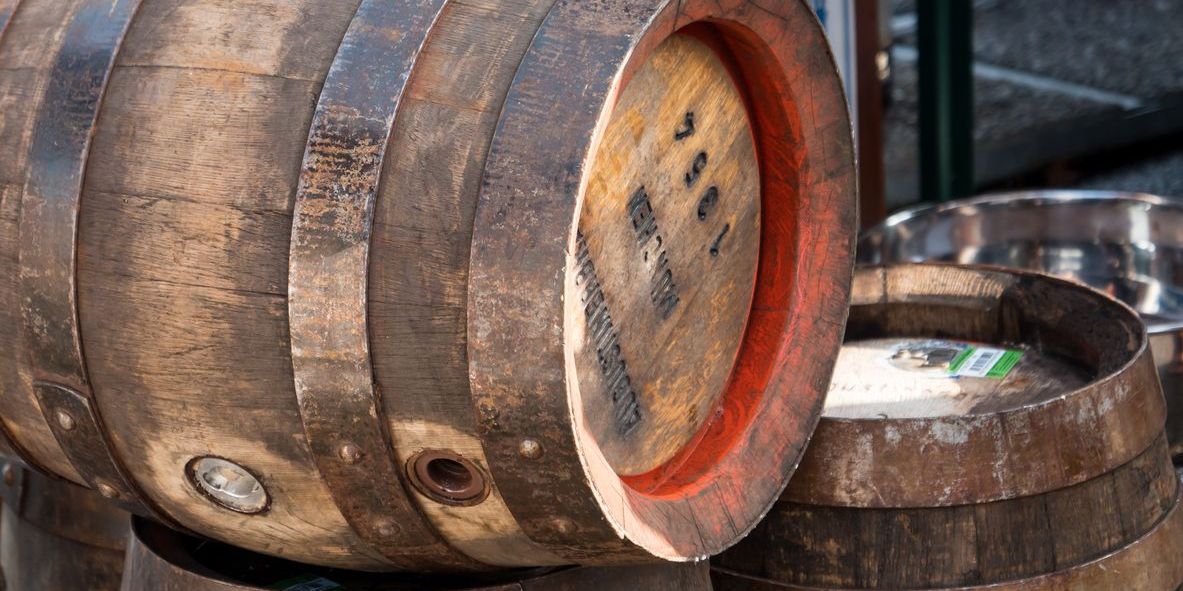
Beer is one of the oldest and most widely enjoyed drinks in human history. Long before modern pubs, breweries and craft beer bars existed, early civilisations were already brewing and drinking beer using simple ingredients such as grain, water and wild yeast. Over thousands of years, beer evolved from a basic fermented drink into one of the world’s most popular alcoholic beverages, shaping cultures, traditions and social life across the globe.
Today, beer remains deeply connected to British pub culture and continues to evolve through traditional brewing and modern craft beer innovation.
The Origins of Beer
The history of beer is believed to date back as far as 5,000 years ago. Early humans discovered that grains such as barley and wheat could naturally ferment when mixed with water and exposed to wild yeast in the air.
Some historians believe beer may even have been discovered accidentally when stored grain became wet and fermented naturally. Early forms of beer were very different from the clear, refreshing beers we know today. They were often thick, cloudy and only lightly carbonated.
The first recorded evidence of organised beer production comes from the ancient Sumerians around 4,000 BC in Mesopotamia, located in present-day Iraq. The Sumerians brewed beer by soaking barley bread in water and allowing it to ferment.
Beer became an important part of daily life and was commonly consumed by both adults and children.
Beer in Ancient Civilisations
As civilisations developed, so did beer.
Ancient Egypt
The Egyptians embraced beer brewing and produced several styles of beer using barley and wheat. Beer was consumed daily and even used as payment for workers, including those involved in building the pyramids.
Beer was often safer to drink than untreated water, making it a staple drink across many ancient societies.
Babylonian Brewing
Around 2,000 years after the Sumerians, the Babylonians further developed brewing techniques and created a wider variety of beers. Their beers were often bitter, thick and flat compared to modern styles, but brewing had become increasingly sophisticated.
The famous Code of Hammurabi even included laws relating to beer production and taverns, showing how important beer had become within society.
Beer Spreads Across Europe
As beer spread across Europe, different regions developed their own brewing traditions based on climate and available crops.
Southern European countries with warmer climates focused more heavily on wine production due to suitable grape-growing conditions. However, northern regions, including Britain and Germany, were better suited to growing barley and grains.
This helped beer become the dominant alcoholic drink in many colder parts of Europe.
The Rise of Beer in Britain
Britain’s cool and wet climate made it ideal for growing barley but less suitable for vineyards. As a result, ale and beer became central to British life for centuries.
Early British beers were brewed without hops and were often referred to as “ale”. Hops were introduced much later and helped improve both flavour and preservation.
Beer quickly became part of everyday life in Britain, enjoyed in homes, inns and eventually public houses.
Monks and Medieval Brewing
During the Middle Ages, monasteries played a huge role in the development of beer.
By the 12th century, monks across Europe were brewing beer both for their own consumption and to help generate income for their monasteries. These monastic breweries became known for producing high-quality beer and improving brewing methods.
Monks also helped popularise the use of hops, which acted as a natural preservative while adding bitterness and aroma to beer.
Many brewing traditions still used today can be traced back to medieval monasteries.
The Growth of Breweries
As demand for beer increased, brewing gradually moved from homes and monasteries into larger commercial breweries.
One of the most influential breweries was Spaten Brewery in Munich, which helped advance brewing methods during the 14th century and beyond.
Brewing technology improved dramatically during the Industrial Revolution in the 1800s. Steam power, scientific brewing methods and refrigeration transformed beer production and allowed breweries to produce beer more consistently on a larger scale.
Cold storage also helped popularise lager beer, particularly in Germany and Central Europe.
The Rise of Lager Beer
In the 19th century, golden lager styles began to emerge, especially following brewing innovations in the city of Pilsen in what is now the Czech Republic.
These pale, crisp and refreshing lagers became hugely popular throughout Europe before spreading worldwide.
Breweries such as Carlsberg helped establish lager as one of the world’s leading beer styles.
By the late 1800s and early 1900s, lager had become increasingly popular in America and eventually across the UK.
Beer in the Modern World
The 20th century saw beer become a truly global drink, with large breweries producing beer on a massive commercial scale.
In Britain, traditional ales remained popular in pubs, while lagers gained significant popularity from the 1970s onwards.
More recently, the craft beer movement has transformed the beer industry once again. Independent breweries have introduced new flavours, brewing techniques and experimental beer styles, helping revive interest in traditional brewing while encouraging innovation.
Today, beer styles range from classic bitters and porters to hazy IPAs, fruit beers and alcohol-free options.
Traditional and Regional Beer Styles
Throughout history, many countries have developed their own unique beer styles and brewing traditions.
For example, Finland created a traditional farmhouse beer called sahti, brewed using juniper and small amounts of hops. Germany became famous for wheat beers and lagers, while Belgium developed complex abbey and Trappist ales.
The UK itself remains known for iconic beer styles such as:
These styles continue to influence breweries around the world today.
Beer’s Lasting Popularity
From ancient grain drinks to modern craft brewing, beer has remained part of human culture for thousands of years. Its history reflects the development of civilisation itself, evolving alongside agriculture, trade, science and social traditions.
Whether enjoyed in a traditional British pub, at a brewery taproom or at home with friends, beer continues to bring people together and remains one of the world’s most popular and enduring drinks.