

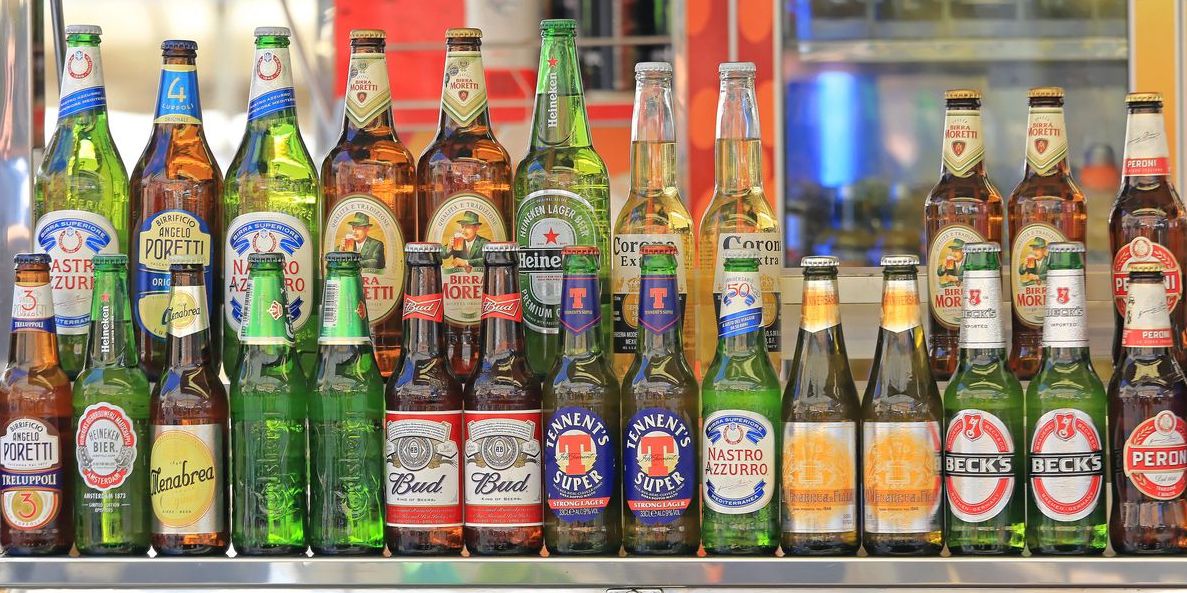
Beer is one of the world's oldest, most popular and most widely enjoyed alcoholic drinks. From traditional British ales and crisp continental lagers to modern craft IPAs and rich stouts, beer offers an incredible variety of flavours, aromas and experiences. This ultimate guide to beer has it all.
Whether you're completely new to beer or a seasoned enthusiast looking to expand your knowledge, understanding the fundamentals can help you appreciate what makes each pint unique. This guide explores everything from beer's fascinating history and ingredients to brewing methods, beer styles, food pairings and home brewing.
Welcome to your ultimate guide to beer.
What Is Beer?
At its simplest, beer is a fermented alcoholic drink made from four main ingredients:
- Water
- Malted grain, usually barley
- Hops
- Yeast
While these four ingredients form the foundation of almost every beer, brewers often add other ingredients such as fruit, spices, herbs, oats and coffee to create unique flavours and styles.
The brewing process extracts sugars from malted grain, which are then fermented by yeast to produce alcohol and carbon dioxide. Small changes to ingredients, brewing techniques and fermentation methods can create dramatically different beers, which is why there are thousands of beer styles enjoyed around the world today.
The History of Beer
Beer has been part of human civilisation for thousands of years. Evidence suggests that brewing began as early as 8,000 BC, making beer one of the oldest alcoholic drinks in existence.
Ancient cultures including the Sumerians, Egyptians and Babylonians all brewed and consumed beer. Over time, brewing spread throughout Europe, where monasteries and early breweries refined brewing techniques and helped establish many of the traditions that still influence brewing today.
Britain developed a particularly strong brewing heritage thanks to its ideal barley-growing climate. Traditional ales became a central part of British culture, while the Industrial Revolution helped transform brewing into the large-scale industry we know today.
Modern brewing continues to evolve, combining centuries of tradition with innovation and creativity.
Understanding the Main Types of Beer
Although there are countless beer styles, most beers fall into two broad categories: ale and lager.
Ale
Ale is brewed using top fermenting yeast at warmer temperatures. This typically produces beers with richer flavours, greater complexity and fruitier characteristics.
Popular ale styles include:
Lager
Lager is brewed using bottom fermenting yeast at cooler temperatures and then conditioned for longer periods.
This process generally creates beers that are:
- Crisp
- Clean tasting
- Refreshing
- Smooth
Popular lager styles include:
- Pilsner
- Helles Lager
- Vienna Lager
- Dark Lager
Beer Types vs Beer Styles
One area that often causes confusion is the difference between beer types and beer styles.
Beer types are broad categories such as ale and lager.
Beer styles are the individual variations within those categories.
For example:
Understanding this distinction makes it much easier to navigate the world of beer and discover new favourites.
Ale vs Lager
The biggest difference between ale and lager lies in the yeast and fermentation process.
| Feature | Ale | Lager |
|---|---|---|
| Yeast | Top fermenting | Bottom fermenting |
| Fermentation Temperature | Warmer | Cooler |
| Flavour Profile | Richer and fruitier | Cleaner and crisper |
| Typical Examples | Bitter, IPA, Porter | Pilsner, Helles, Premium Lager |
Neither is better than the other. They simply offer different drinking experiences and flavour profiles.
Understanding Beer Flavours
Beer offers an extraordinary range of flavours, many of which come from the interaction between malt, hops and yeast.
Malt Flavours
Malt often contributes flavours such as:
- Biscuit
- Bread
- Toffee
- Caramel
- Chocolate
- Coffee
Hop Flavours
Hops can add:
- Citrus
- Pine
- Floral notes
- Tropical fruit
- Herbal flavours
- Spice
Yeast Characteristics
Different yeast strains can create:
- Fruity notes
- Banana
- Clove
- Peppery spice
- Earthy characteristics
The balance between these elements helps create the distinct character of every beer style.
How to Taste Beer
Learning how to taste beer properly can significantly enhance your enjoyment and understanding of different styles.
A simple approach is to follow these five steps:
1. Look - Observe the colour, clarity, head and carbonation.
2. Smell - Identify aromas from hops, malt and yeast.
3. Taste - Consider sweetness, bitterness, balance and flavour intensity.
4. Feel - Notice the body, carbonation and mouthfeel.
5. Finish - Pay attention to the aftertaste and how long flavours linger.
Beer tasting does not require expertise. The more beers you try, the more familiar different flavours and characteristics become.
The Main Ingredients in Beer
Every beer begins with four essential ingredients.
Water
Water makes up the majority of beer and influences flavour, mouthfeel and brewing performance.
Malt
Malted grain provides fermentable sugars, colour and much of the beer's flavour.
Hops
Hops add bitterness, flavour and aroma while also helping preserve the beer.
Yeast
Yeast converts sugar into alcohol and carbon dioxide while contributing important flavour characteristics.
Additional ingredients known as adjuncts may also be used to create specific flavours and textures.
How Beer Is Brewed
While brewing methods vary between breweries, most follow the same basic process.
Mashing
Malted grain is mixed with hot water to extract sugars.
Boiling
The liquid, known as wort, is boiled and hops are added.
Fermentation
Yeast converts sugars into alcohol and carbon dioxide.
Conditioning
The beer matures and develops flavour.
Packaging
The finished beer is packaged into bottles, cans, kegs or casks.
Every stage influences the flavour, aroma and character of the finished beer.
Cask Beer vs Keg Beer
In the UK, beer is commonly served from either casks or kegs.
Cask Beer
Cask beer undergoes secondary fermentation in the cask and is served without added gas.
Characteristics include:
- Natural carbonation
- Fuller flavour development
- Traditional pub experience
Keg Beer
Keg beer is stored under pressure and served using carbon dioxide.
Characteristics include:
- Longer shelf life
- Higher carbonation
- Consistent serving quality
Both formats can produce excellent beer when properly stored and served.
Beer and Food Pairing
Matching beer with food can enhance both the drink and the meal.
Lager
Works well with:
- Fish and chips
- Pizza
- Chicken dishes
- Salads
- IPA
Pairs particularly well with:
- Curries
- Mexican food
- Burgers
- Barbecue
Stout
Complements:
- Chocolate desserts
- Rich stews
- Oysters
- Strong cheeses
Porter
Often pairs well with:
- Smoked meats
- Barbecue
- Sticky toffee pudding
- Mature cheddar
Wheat Beer
A good match for:
- Seafood
- Grilled chicken
- Light salads
- Soft cheeses
The best pairings often come from balancing or contrasting flavours.
Home Brewing Beer
Many beer lovers eventually decide to try brewing their own beer at home.
Home brewing allows you to:
- Create your own recipes
- Experiment with ingredients
- Learn how beer is made
- Produce beer tailored to your tastes
Modern brewing kits have made home brewing more accessible than ever before.
Beginner Brewing
Most newcomers start with beer kits that simplify the brewing process and require only basic equipment.
Advanced Brewing
Experienced home brewers often move on to extract brewing or all grain brewing, giving them greater control over ingredients and flavour development.
Common Beer Terms Explained
When exploring beer, you may come across unfamiliar terminology.
ABV
Alcohol By Volume. Indicates the strength of a beer.
IBU
International Bitterness Units. Measures hop bitterness.
Craft Beer
Beer typically produced by smaller independent breweries with an emphasis on flavour and innovation.
Session Beer
A lower alcohol beer designed for easy drinking over a longer period.
Real Ale
Traditionally brewed and cask conditioned beer that undergoes secondary fermentation in the container from which it is served.